
Overview
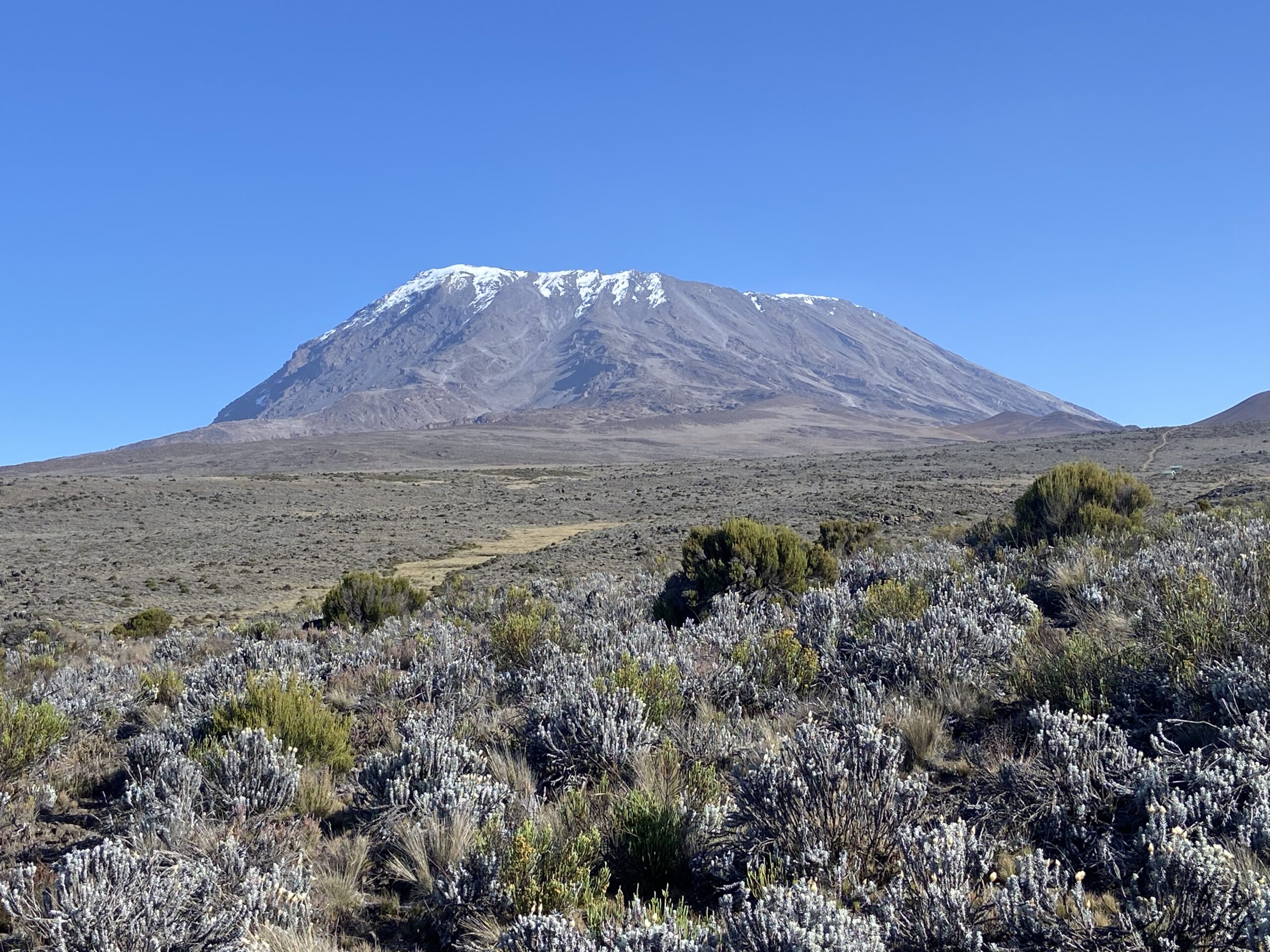
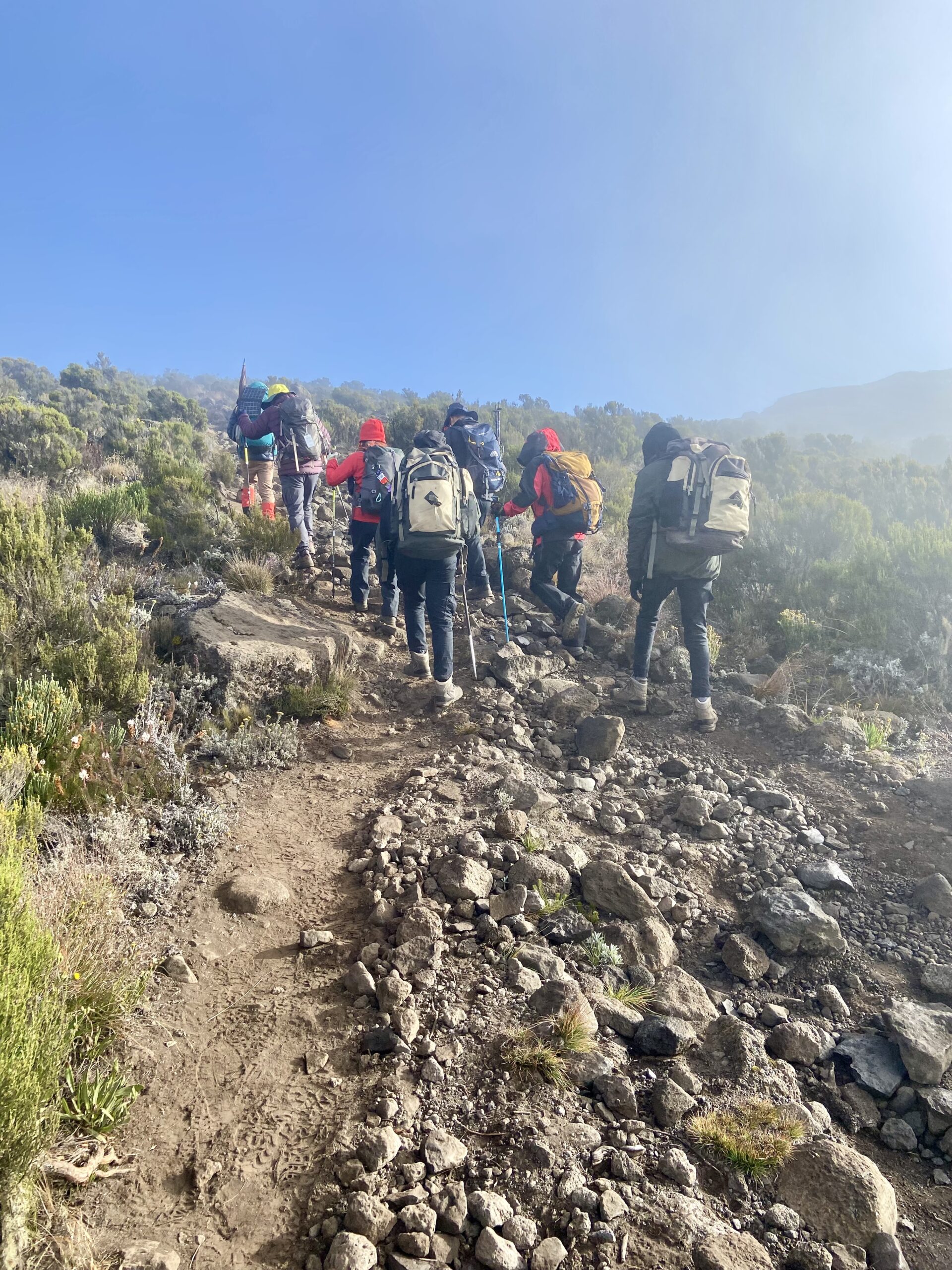
The 5-Day Marangu Route is a moderate trek that ascends gradually through lush rainforest, moorlands, and alpine desert before reaching the arctic summit of Uhuru Peak. While it is considered the easiest route in terms of terrain and steady incline, the shorter duration makes acclimatization more difficult, so good physical preparation is essential. You’ll hike through five ecological zones and have the chance to witness breathtaking landscapes, unique flora and fauna, and one of the world’s most iconic sunrises at the summit. Also known as CoCaCola Route
Trip Highlights
- Summit Africa’s highest peak at 5,895m (19,341ft).
- Scenic route with diverse vegetation zones.
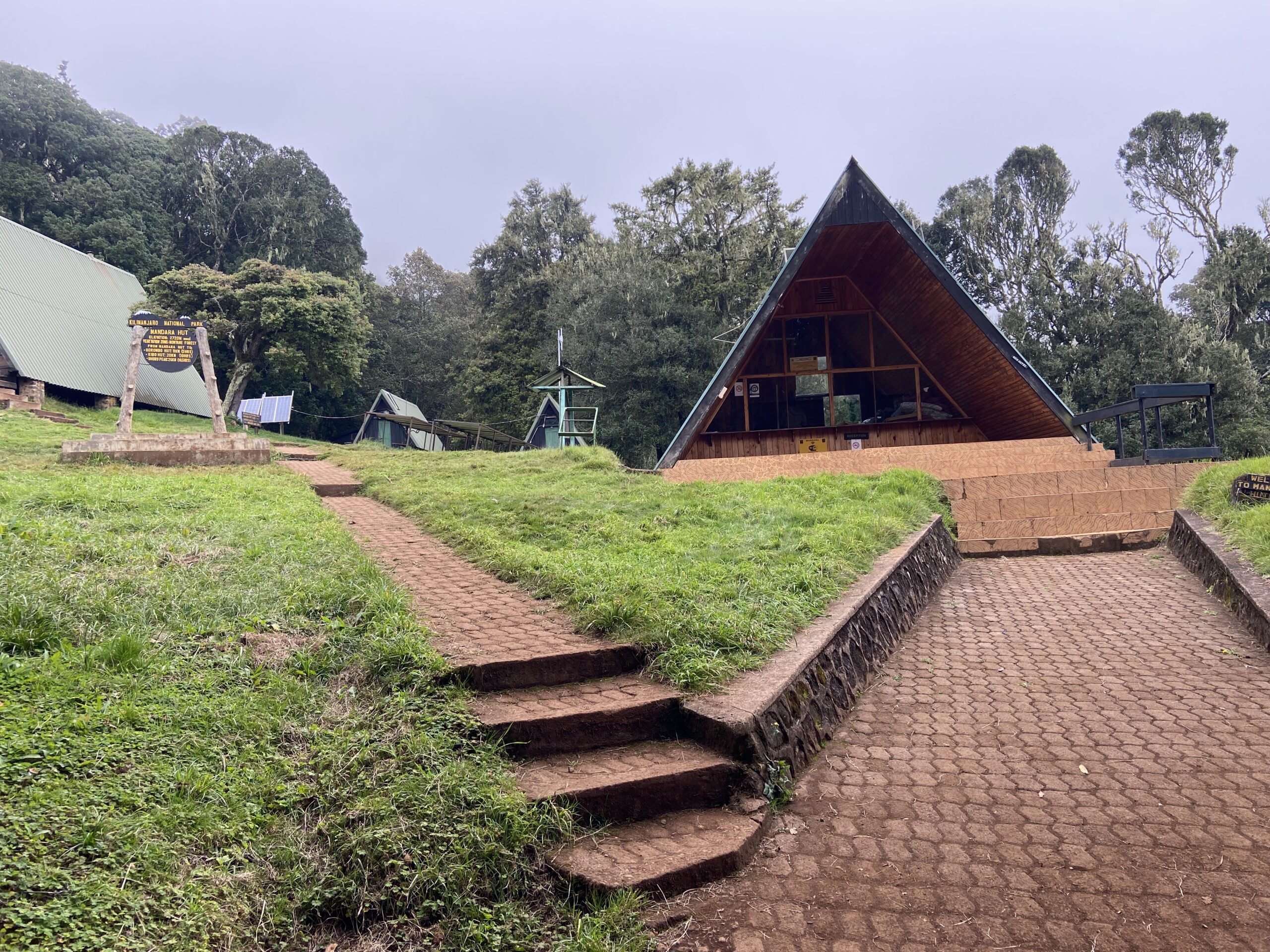
- Dormitory-style mountain huts with shared facilities.
- Professional, experienced guides and support team.
- Stunning sunrise view from Gilman’s Point and Uhuru Peak.
- A more comfortable hike with less gear required than camping routes.
Itinerary
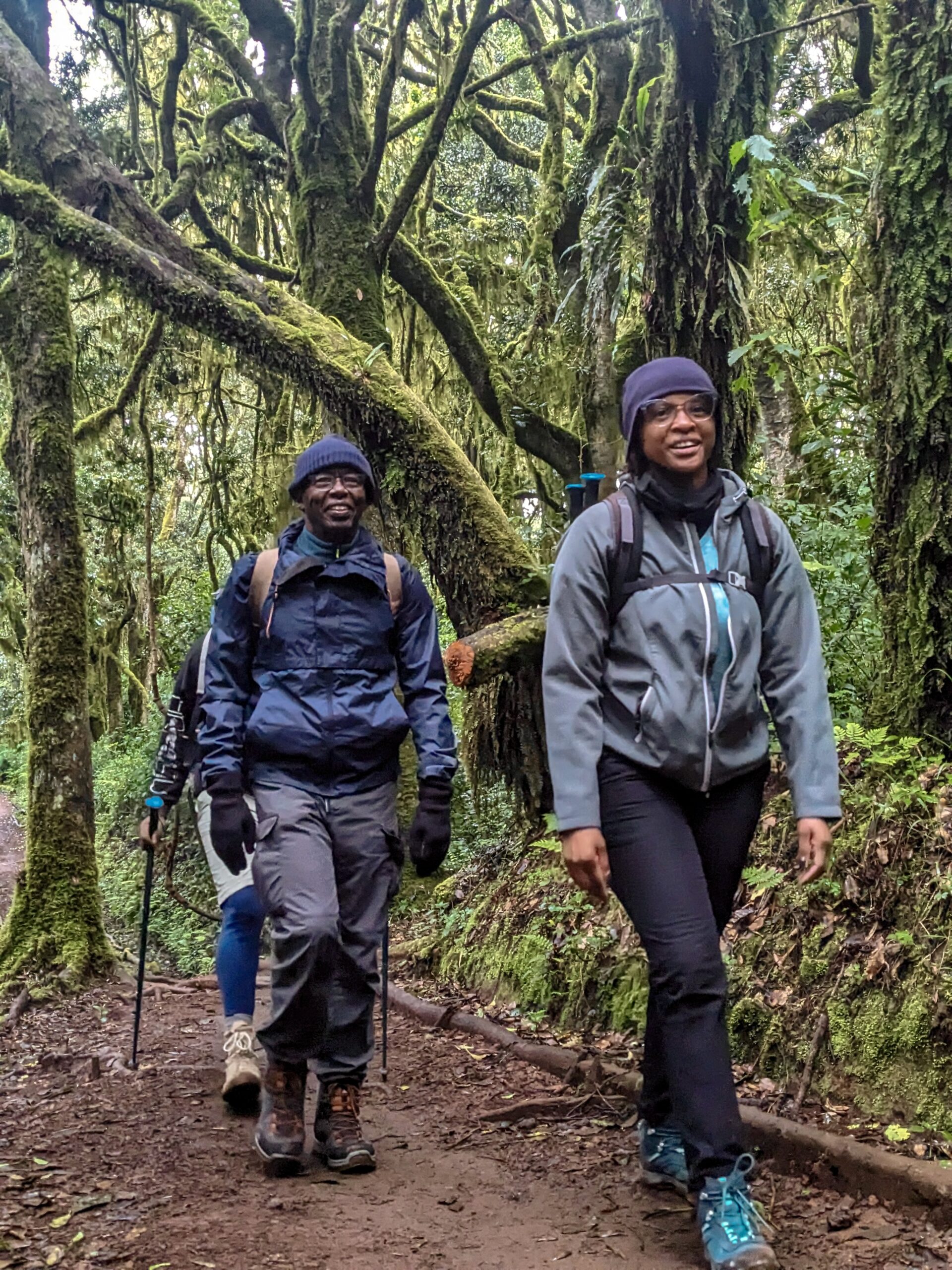
Your adventure begins with a drive from Moshi to the Marangu Gate (1,870m), where you’ll complete registration and meet your mountain team. The trek kicks off through a lush rainforest trail, which is often damp and rich with vegetation. As you hike for approximately 4–5 hours, the path gently ascends through towering trees, moss, and ferns, offering sightings of blue monkeys and colobus monkeys. By late afternoon, you arrive at Mandara Hut, your first overnight stop, located on the forest edge. After checking in, you may take a short optional walk to Maundi Crater for panoramic views of northern Tanzania and Kenya before settling in for the evening.
On the second day, you leave the rainforest behind and enter a more open moorland environment. The trail winds upward through heather and rolling hills, with beautiful views of the Mawenzi peak emerging in the distance. The air gets thinner as you gain altitude, and the vegetation becomes sparser. You’ll pass by giant lobelias and other alpine plants as the path gently leads you to Horombo Hut, where you’ll rest for the night. The trek takes around 5–6 hours, and upon arrival, you’ll have time to relax, hydrate, and enjoy the stunning views of both Kibo and Mawenzi peaks.
After an early breakfast, you continue your ascent towards Kibo Hut, traversing a dramatic and barren alpine desert known as “The Saddle” — a wide, windswept expanse between the towering peaks of Kibo and Mawenzi. The trail is long, dry, and dusty, but relatively gentle in slope. As you climb higher, the oxygen level drops, making each step more challenging. The trek usually takes 6–7 hours, and you arrive at Kibo Hut by mid-afternoon. This is your base before the summit attempt, so after an early dinner, you’ll head to bed by 7 PM to rest and prepare for the midnight summit push.
Summit day begins just before midnight, as you start your ascent in the freezing darkness under a sky filled with stars. The trail zigzags up steep scree slopes toward Gilman’s Point (5,681m), where the first light of dawn might greet you. From there, it’s a gradual but mentally tough trek along the crater rim to Uhuru Peak — the highest point in Africa. The views from the top are extraordinary, with glaciers, the crater, and the vast African plains below. After celebrating briefly at the summit, you’ll descend back to Kibo Hut for a short rest and lunch, then continue downward to Horombo Hut. The descent is long and demanding, totaling about 12–14 hours of trekking in a single day.
Your final day on the mountain begins with a leisurely breakfast at Horombo Hut before starting your descent through the heath and forest zones. As you retrace your steps past Mandara Hut and into the rainforest, the trail becomes more humid and vibrant once again. This final stretch takes about 5–6 hours. Upon arrival at Marangu Gate, you’ll sign out and receive your summit certificate — a well-earned memento of your achievement. From the gate, a vehicle will transfer you back to Moshi, where you can rest, shower, and celebrate the completion of your Kilimanjaro climb.
Includes/Excludes
Includes
- 2 nights accommodation in Moshi (before and after the climb)
- All park fees and rescue fees
- Professional English-speaking mountain guides, porters, and cook
- Mountain hut accommodation during the climb
- Meals and drinking water during the climb
- Transfers to and from Kilimanjaro National Park
- First aid kit and emergency oxygen (if necessary)
Excludes
- International or domestic flights
- Visa fees
- Personal travel insurance
- Tips for guides, porters, and cooks
- Sleeping bags and other personal trekking gear
- Soft drinks, bottled water, and alcoholic beverages
- Personal expenses and optional activities
FAQs
Terrain-wise, it is less steep and more gradual, but the shorter itinerary makes acclimatization harder, increasing the risk of altitude sickness.
No, the Marangu Route is the only route where climbers sleep in shared huts equipped with basic beds and mattresses.
Due to limited acclimatization time, the success rate is lower compared to longer routes. Proper preparation and pacing are crucial.
Essential items include layered clothing, a headlamp for summit night, warm sleeping bag, hiking boots, waterproof jacket, and personal toiletries.
The best months are January to March and June to October, offering clearer skies and better trail conditions.